
How to Protect Your Car From Scratches, Stone Chips and Bird Droppings
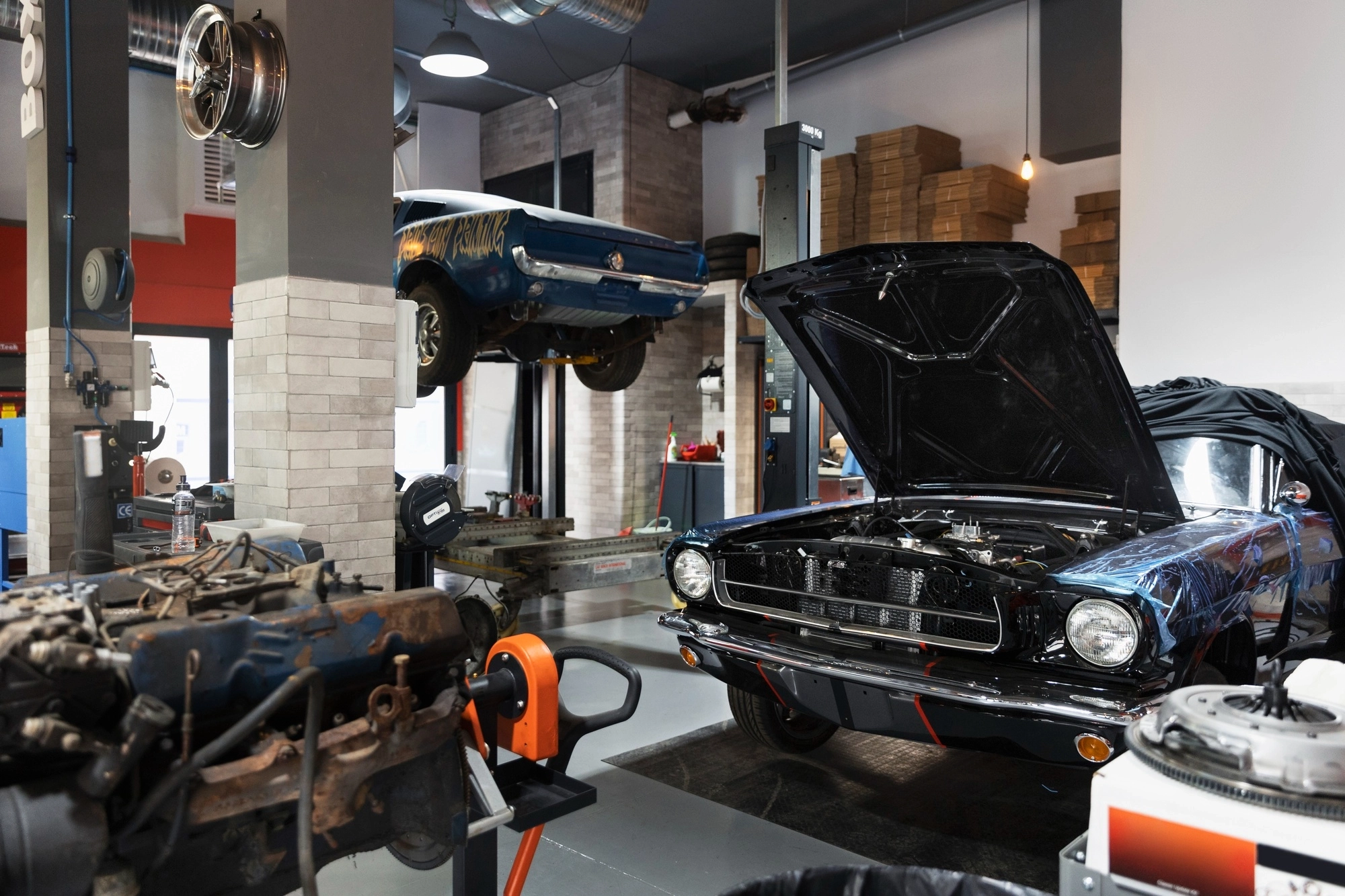
Most paint damage does not happen in one dramatic moment. It accumulates — a chip on the bonnet from a highway stone, a set of fine swirls from a roadside wash, a dull patch where a bird dropping sat in the sun for a day.
None of it is individually serious. Together, over three or four years, it is the difference between a car that looks its age and one that does not — and at resale, that difference is measured in money.
This guide covers what actually causes paint damage on Indian roads, what you can do about it for free, and where protective film genuinely earns its cost.
The Four Things That Actually Damage Car Paint
Stone Chips and Road Debris
The most common cause of paint damage in India, and the hardest to repair invisibly. A stone thrown up at 80 km/h carries enough energy to break through clear coat and base coat in one strike. Bonnets, front bumpers, wing mirrors and the leading edge of the roof take the worst of it. Touch-up paint fills a chip but rarely matches, so the repair often remains visible.
Scratches and Swirl Marks
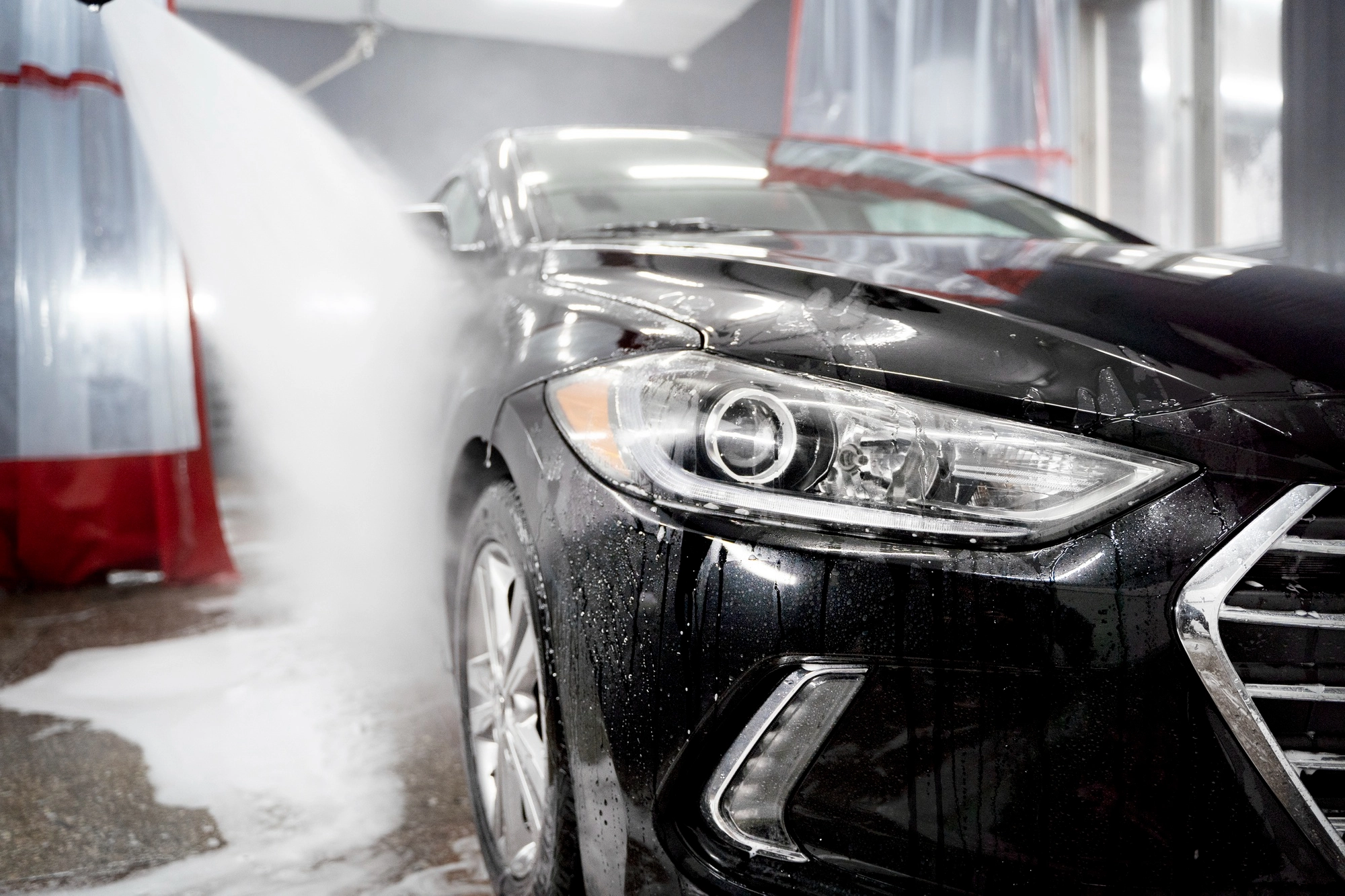
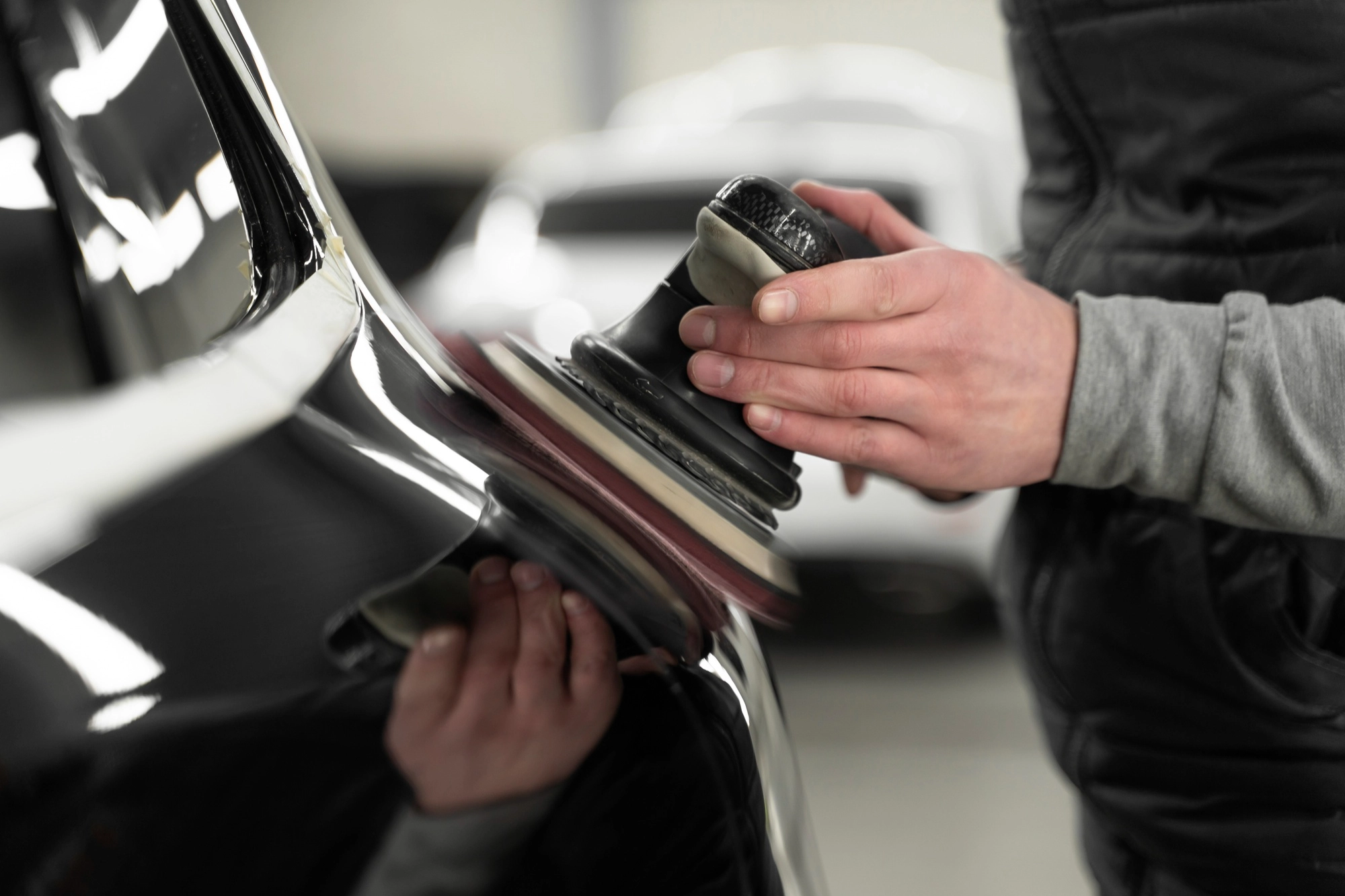
The fine cobweb pattern visible under direct sunlight. These come from washing more often than from anything else: a gritty sponge, a reused bucket, an automatic brush wash, or wiping dust off a dry panel. Each pass drags trapped grit across the clear coat. Individually invisible, collectively they are what makes older paint look flat.
Bird Droppings and Tree Sap
Bird droppings are acidic, and in direct sun they can etch through clear coat within hours. The lasting damage is not the stain but the chemical reaction beneath it, which leaves a dull, slightly sunken mark that washing will not remove. Tree sap behaves similarly and hardens, so scraping it off adds scratches to the etching.
UV Exposure and Oxidation
The slowest of the four and the easiest to miss, because it happens evenly across the car. Ultraviolet radiation breaks down the clear coat over years, dulling colour and eventually causing a chalky surface. Red and dark blue paints show it first. In Indian conditions, a car parked outside year-round will show visible UV dulling well before one kept covered.
What You Can Do Without Spending Anything
Before considering any product, these four habits prevent more damage than most paid solutions.
Change How You Wash the Car
Use two buckets: one with shampoo, one with plain water to rinse the mitt between panels. That single change keeps grit out of the wash and prevents most swirl marks. Rinse loose dust off before touching the paint, wash top to bottom, and never wipe a dry panel. Avoid automatic brush washes entirely — the brushes hold grit from every car before yours.
Clean Contamination Immediately
Bird droppings and tree sap cause damage as a function of time and heat. Removed within a few hours, they usually leave nothing. Left for a day in the sun, they can leave a permanent mark. Keep a detailing spray and a microfibre cloth in the car — soften the deposit, then lift it away rather than rubbing it across the paint.
Think About Where You Park
Shade reduces UV damage and keeps the surface cool, which slows the chemical reactions that cause etching. Avoid parking under trees that drop sap or attract birds. Covered parking is the single most effective free measure available.
Keep Your Distance on Highways
Most stone chips come from the vehicle in front. Increasing following distance reduces both the number and the velocity of impacts. Trucks and construction vehicles are worth giving significantly more room.
Where Everyday Care Stops Working
Good habits substantially reduce swirl marks, etching and UV damage. They do very little about stone chips.
A stone strikes with force. No washing technique, wax or coating changes what happens when it lands — the only thing that helps is a physical layer between the stone and the paint, thick enough to absorb the impact.
That is the gap paint protection film exists to fill.
Paint Protection Film: What It Is and What It Does
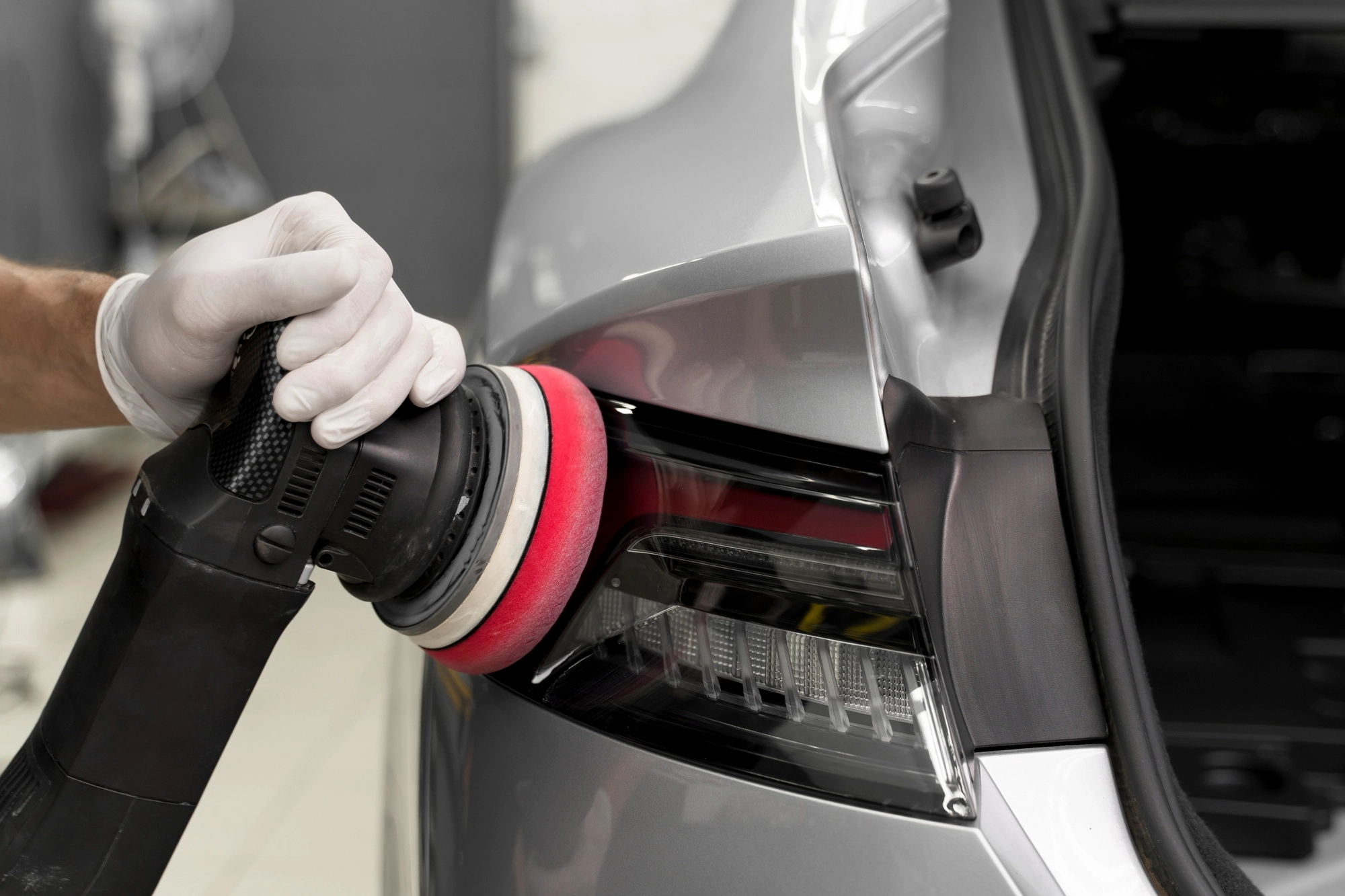
Paint protection film, usually shortened to PPF, is a transparent thermoplastic polyurethane film applied over painted panels. Quality body films are around 188 microns thick — roughly twice the thickness of a car's factory clear coat.
That thickness is what absorbs stone chips. The film takes the impact and the paint underneath is unaffected.
Modern films do more than absorb impact. A self-healing top coat closes light scratches and swirl marks when heat is applied, whether from sunlight, a warm water rinse or a heat gun. A hydrophobic surface makes water bead and roll off, carrying dust with it, and resists the acidic etching caused by bird droppings. UV-stable films block the radiation that dulls paint over time.
The film is optically clear, so the car looks unchanged, and it can be removed without damaging the factory paint underneath — which is why film is often applied specifically to preserve original paint for resale.
Paint Protection Film or Ceramic Coating?
These are frequently presented as alternatives. They are not — they solve different problems.
A ceramic coating is a liquid polymer that cures into a thin, hard, hydrophobic layer. It adds gloss, makes washing easier and gives some resistance to chemical staining. It is measured in microns in the single digits.
It does not stop stone chips. There is no meaningful thickness to absorb an impact.
Paint protection film is a physical film, roughly a hundred times thicker than a coating, and it does stop stone chips. Many owners apply both — film on the high-impact front end, coating over the top for gloss and easier cleaning. If you can only choose one and highway driving is part of your week, film addresses the damage that cannot be polished out later.
What to Check Before Choosing a Film
Film quality varies enormously, and most of the difference is invisible on the showroom sample. Four things are worth asking about.
Thickness
Most quality body films are around 188 microns, or 7.5 mil. Thinner film costs less and absorbs less. Films for glass, such as windshield and sunroof film, are typically thinner at around 163 microns because the requirement is different.
TPU Source
Film performance is largely decided by the polymer it is made from. Ask which TPU the film uses. Established polymer producers such as Covestro, BASF and Lubrizol supply the global film industry — and a manufacturer willing to name its source is telling you something a brochure adjective cannot.
Warranty and Anti-Yellowing Term
Ask two questions, not one: how long is the warranty, and is anti-yellowing covered for that full period? Indian sun is unforgiving, and lower-grade films can amber within a couple of seasons. A ten-year warranty with three years of anti-yellowing cover is not a ten-year film.
Self-Healing
Most quality films now self-heal. Ask whether that is rated at 100% heat healing, and try it on a sample — a light scratch and a warm water rinse will show you.
How Much of the Car Should You Cover?
Coverage is usually the biggest variable in cost.
Front-end coverage — bonnet, front bumper, wing mirrors and the leading edge of the roof — addresses the areas that take the overwhelming majority of stone chips. For most owners this is where the value sits.
Full-body coverage protects everything, including doors, rear quarters and the boot. It makes sense for vehicles where resale value is significant, where the paint is a premium or non-standard finish, or where the car covers long highway distances regularly.
Glass is worth considering separately. Windshields take direct stone impacts and cannot be repaired invisibly, and sunroofs sit horizontally in full sun. Dedicated films exist for both.
An experienced installer will advise based on how you actually use the vehicle. That conversation is worth having before deciding on a budget.
Most paint damage is preventable, and a good share of it is preventable for free. Change how you wash the car, deal with bird droppings quickly, and park in shade where you can — those three habits alone will keep paint looking newer for years.
For stone chips, film is the only answer that works. Whether that is worth it depends on how much you drive, where you drive, and how much the car's appearance and resale value matter to you.
HOGONN manufactures paint protection film in India across six grades, with warranties from 6 to 10 years. If you would like to understand the options, explore our paint protection film range or contact us and we will point you to an installer.
Frequently Asked Questions
Stone chips from highway driving are the most common cause, followed by swirl marks from washing, acidic etching from bird droppings and tree sap, and UV fading over time. Stone chips are the hardest to repair invisibly because they break through the clear coat.
Yes. Bird droppings are acidic and can etch through clear coat within hours in direct sun. The damage is not the stain itself but the chemical reaction underneath, which is why wiping them off late often leaves a permanent dull mark.
No. A ceramic coating is a thin chemical layer that improves gloss and makes cleaning easier, but it does not absorb impact. Stone chip protection requires a physical film with thickness to it, such as paint protection film.
Most quality body films are around 188 microns, which is 7.5 mil. HOGONN body films are 188 microns. Films for glass, such as windshield and sunroof film, are typically thinner at 163 microns.
Self-healing film has a top coat formulated so that light scratches and swirl marks close up when heat is applied, from sunlight, a warm water rinse or a heat gun. HOGONN films are rated 100% heat healing.
Lower-grade films can amber within a couple of seasons. Check whether anti-yellowing is warranted, and for how long. HOGONN clear and matte films carry anti-yellowing cover for the full warranty term, up to 10 years on PPF VAJRA.
Quality film uses an adhesive designed for clean removal and can be taken off without lifting factory paint. Film is often applied specifically to preserve original paint and protect resale value.
Front-end coverage such as bonnet, bumper and mirrors addresses the highest-impact areas. Full-body coverage protects everything including doors and rear panels. Discuss coverage options with an installer based on how the vehicle is used.